
This story is part of the WHYY News Climate Desk, bringing you news and solutions for our changing region.
From the Poconos to the Jersey Shore to the mouth of the Delaware Bay, what do you want to know about climate change? What would you like us to cover? Get in touch.
Thousands of residents living near military bases in Delaware drank contaminated tap water for years, unaware they were ingesting toxic PFAS chemicals that are now linked to serious health problems.
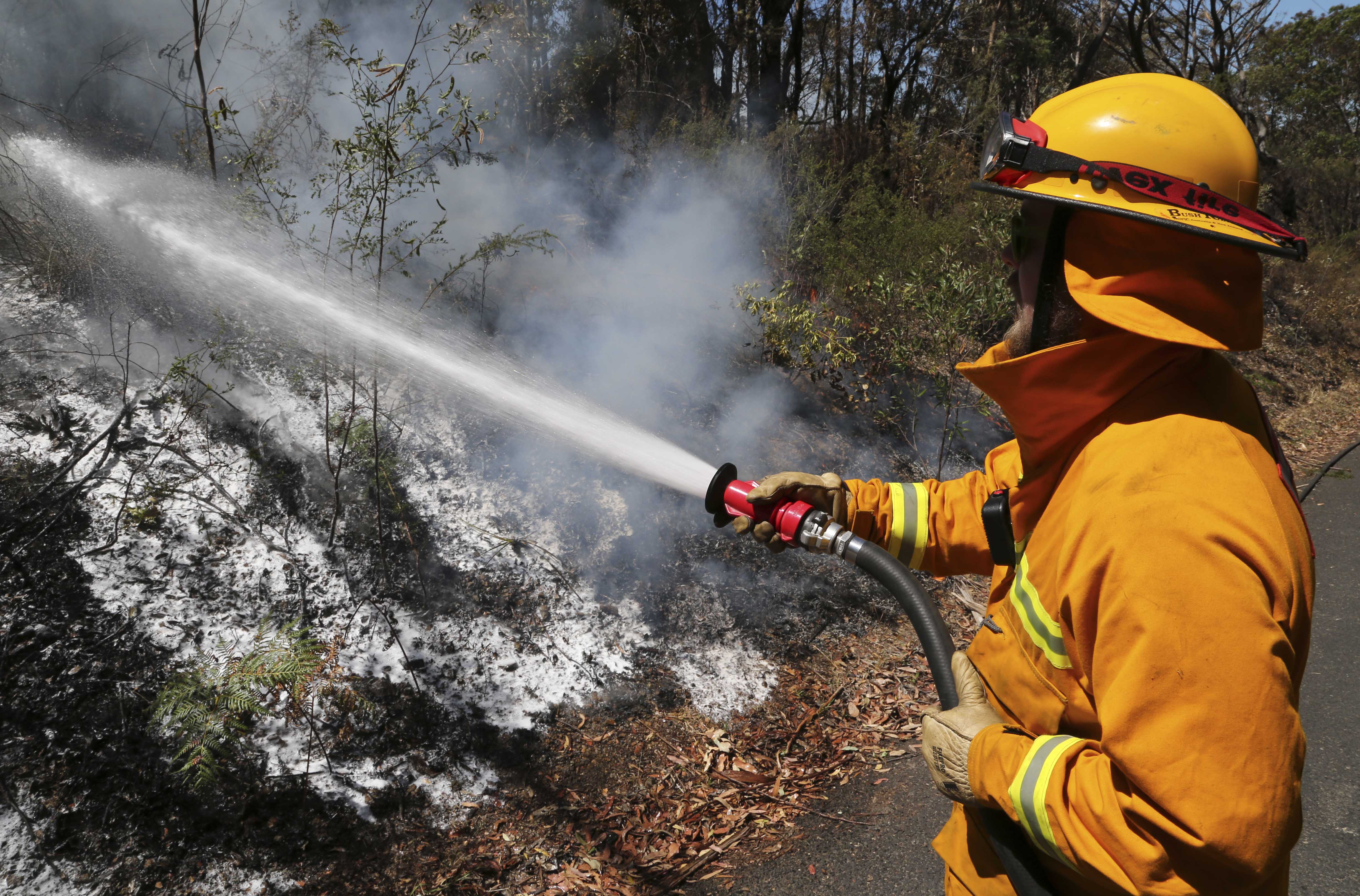
Firefighters used foam containing so-called “forever chemicals” for decades in training exercises and to extinguish petroleum fires, including at military bases in New Castle and Dover. From there, PFAS ran off the runways and tarmac, seeping into local drinking water supplies.
At the time, emergency responders did not know about the potential dangers of PFAS, which can stay in the environment and in human bodies for years. Today, residents who live near the New Castle Air National Guard Base have high levels of PFAS in their blood, and millions of dollars were spent to remove the chemicals from the municipal water supply.
Delaware lawmakers hope to reduce people’s exposure to PFAS after Gov. Matt Meyer last month signed legislation banning firefighting foam that contains the toxic PFAS.
“We have a legacy of a lot of chemical contamination in Delaware, and PFAS is one of the contaminants that’s of concern,” said state Rep. Frank Burns, D-Newark, the bill’s sponsor. “One of the things we need to do is stop adding it to the environment, and that was why this legislation was important to get through, because when it’s used it ends up in the water.”
PFAS, which refers to hundreds of different compounds, are widely used in consumer products such as nonstick cookware and waterproof clothing. They have been linked to serious health problems, including some cancers, thyroid disease, developmental delays in children and other health conditions.
Health concerns have sparked numerous lawsuits against chemical manufacturers like DuPont, alleging that companies knew about the dangers of PFAS for decades without warning the public or environmental regulators.
Aqueous film-forming foam, or AFFF, is one of the most effective fire-suppressing foams because it not only smothers fires but is also fuel-resistant.
“It prevents vapors from escaping, it creates a blanket over whatever is burning and smothers the fire. Using water would spread the fire and water doesn’t always penetrate,” said John Adams, president of the International Association of Firefighters Local 4417, which represents career firefighters and EMTs in New Castle County.
Primarily used for extinguishing liquid fuel fires, AFFF has been most frequently discharged at military bases and airports during practice drills and emergencies such as aircraft fires.


